Stanford, Danville

Off-Track Garage Door Repair for Stanford Homes

Stanford homes built around 1977 carry hardware that doesn't match newer track systems. See what off-track repair costs and when replacement makes more sense.

Off-Track Garage Door Repair for Stanford Homes in Danville
Serving Danville, KYBackground-checked techsHonest, upfront pricingFast local response

On the truck

Stocked Parts

Stanford's median household income sits at $55,000, a bit above the $50,910 median across the wider Danville service area, and that number matters more than people think when a door jumps track.

Lower income repair priority

At that income level, most owners here are still in the fix-it range rather than the replace-it range - a bent track section, a worn roller, or a snapped cable running a door off its rail is usually a parts-and-labor job, not a full unit swap.
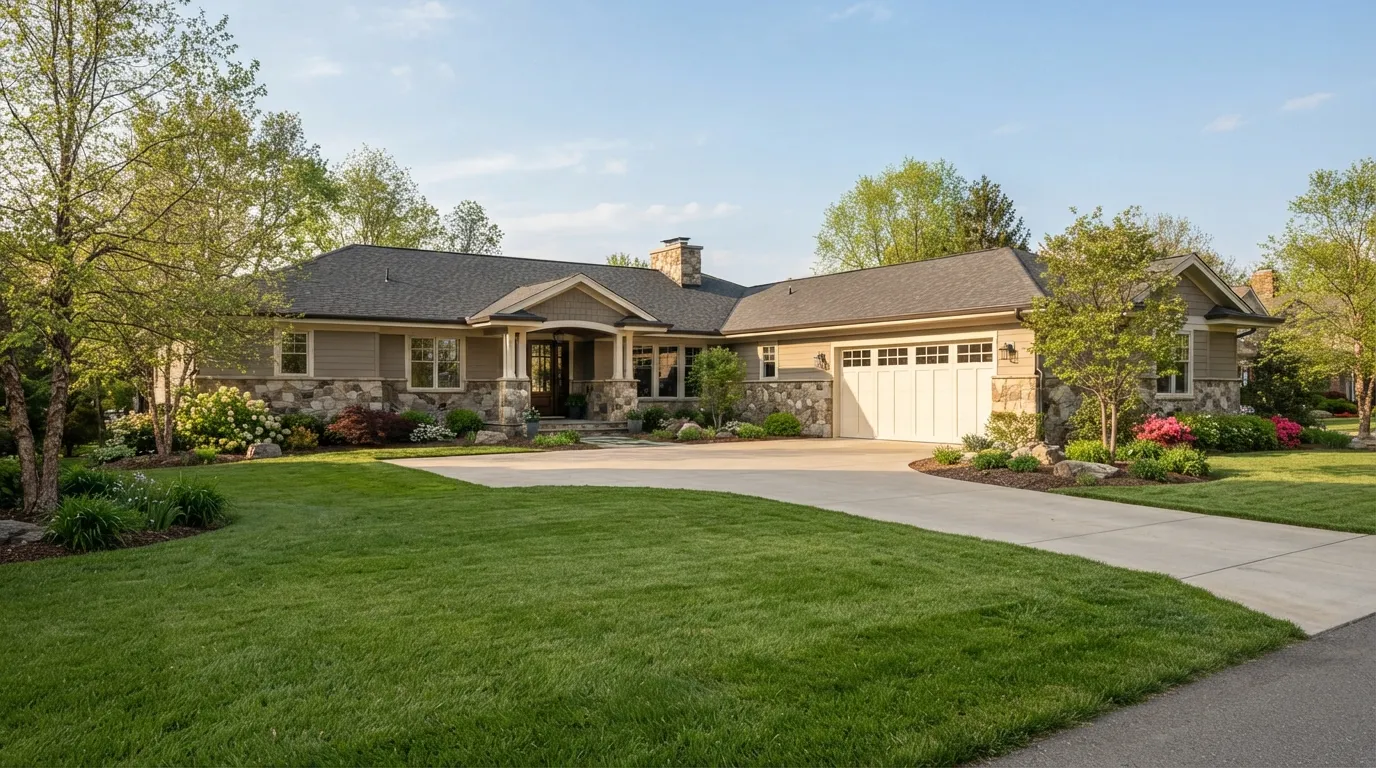
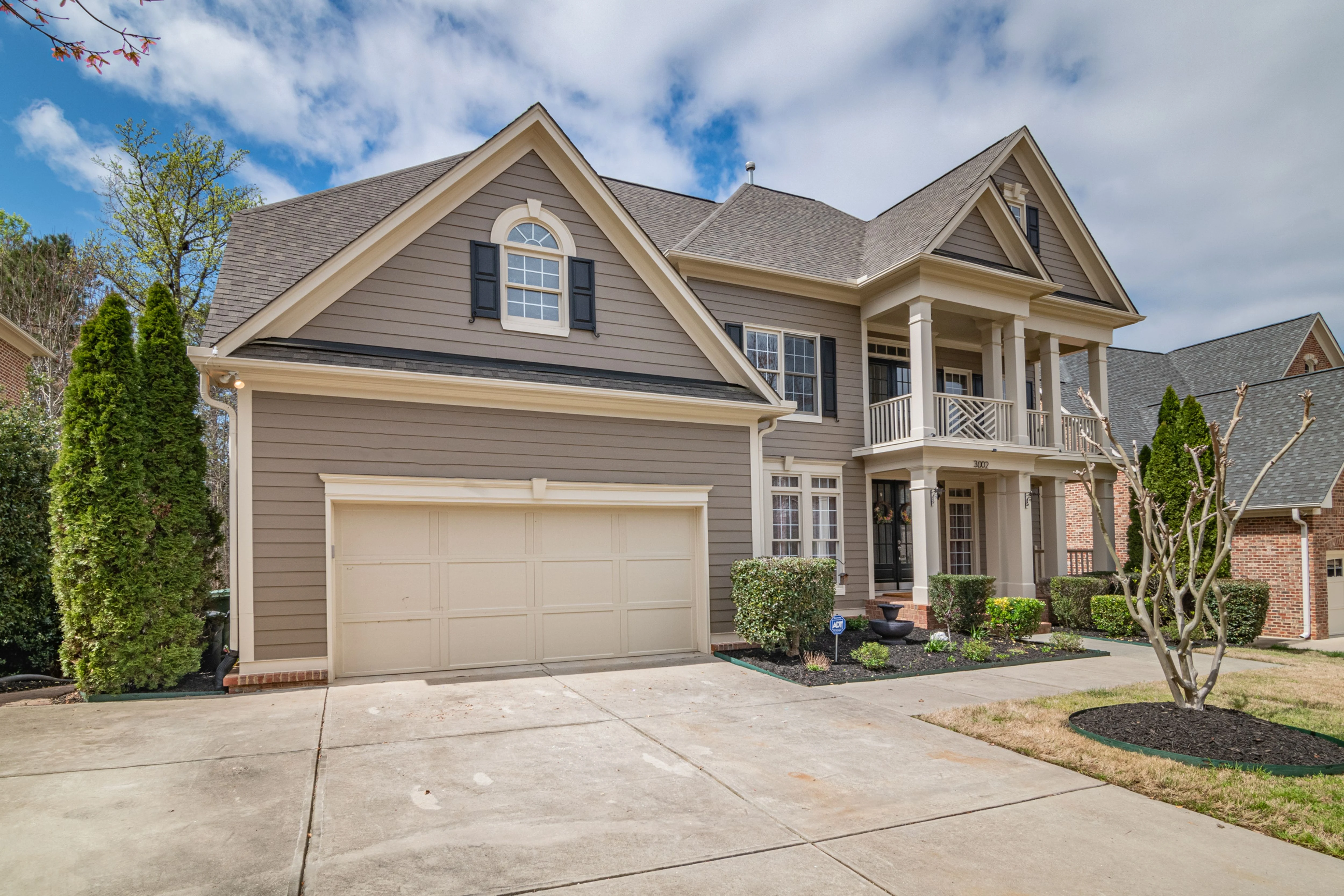
1977 housing stock hardware

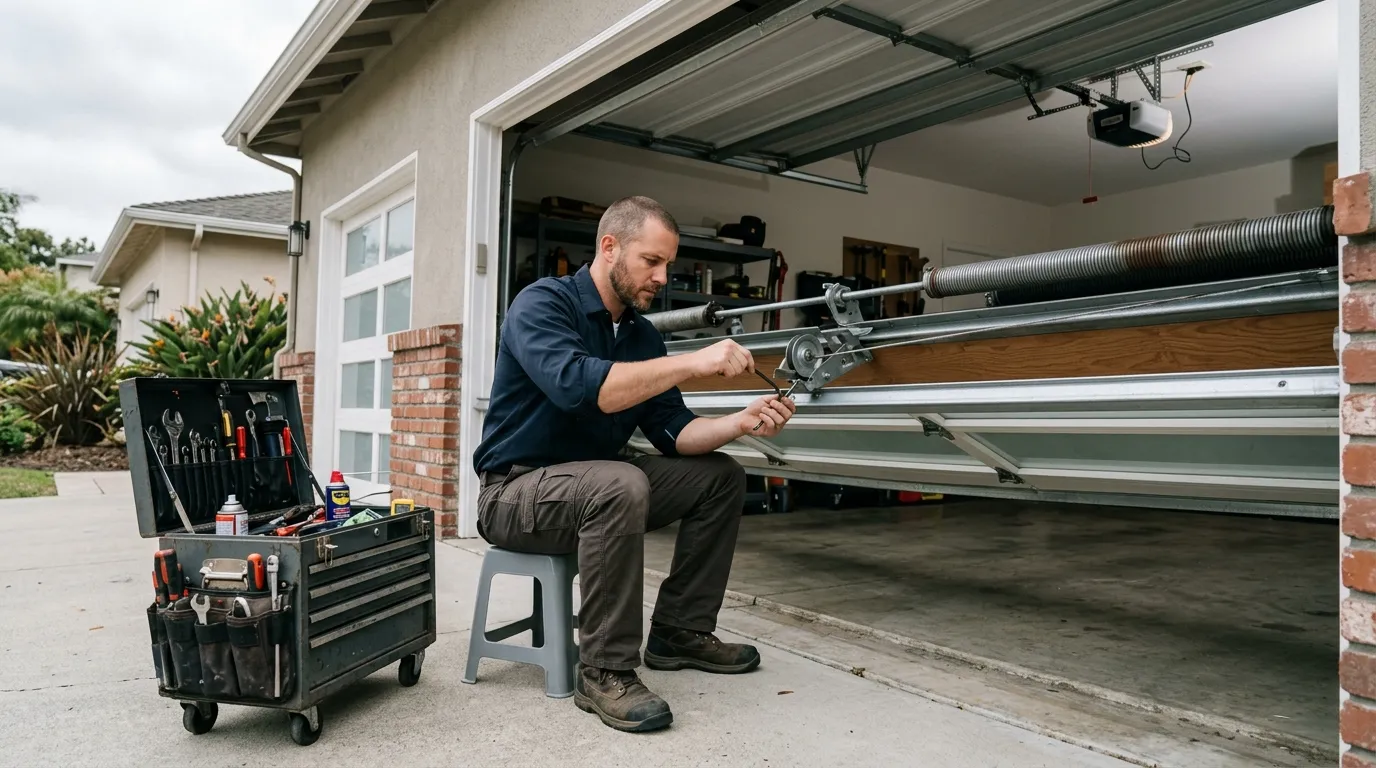
Houses in Stanford went up mostly around 1977, which puts a lot of them in the same build window as the broader area's 1969-1991 housing stock. That era used steel rollers on galvanized track with hardware that's still common enough to carry on the truck - standard roller brackets, lift cables, and track sections that bolt to typical jamb framing from that period.

Limited parts truck inventory

We don't carry every spring size or every opener bracket for every era, so on an older or oddball door we sometimes need to order a part rather than fix it same-visit. That's the one honest limit here: if your door predates the mid-60s stock some nearby areas have, or it's been modified with non-standard hardware, we may need a day to get the right piece.

Job timing

Time on the Job

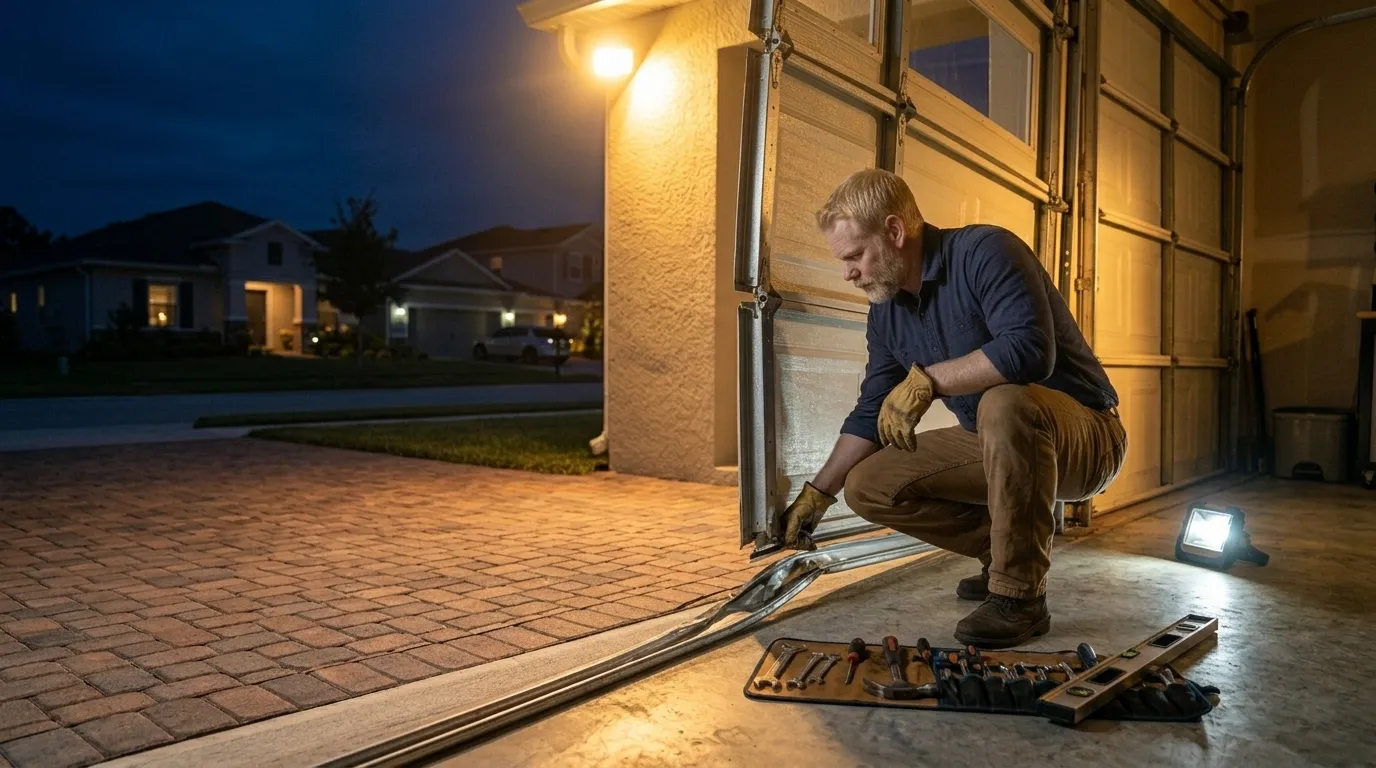
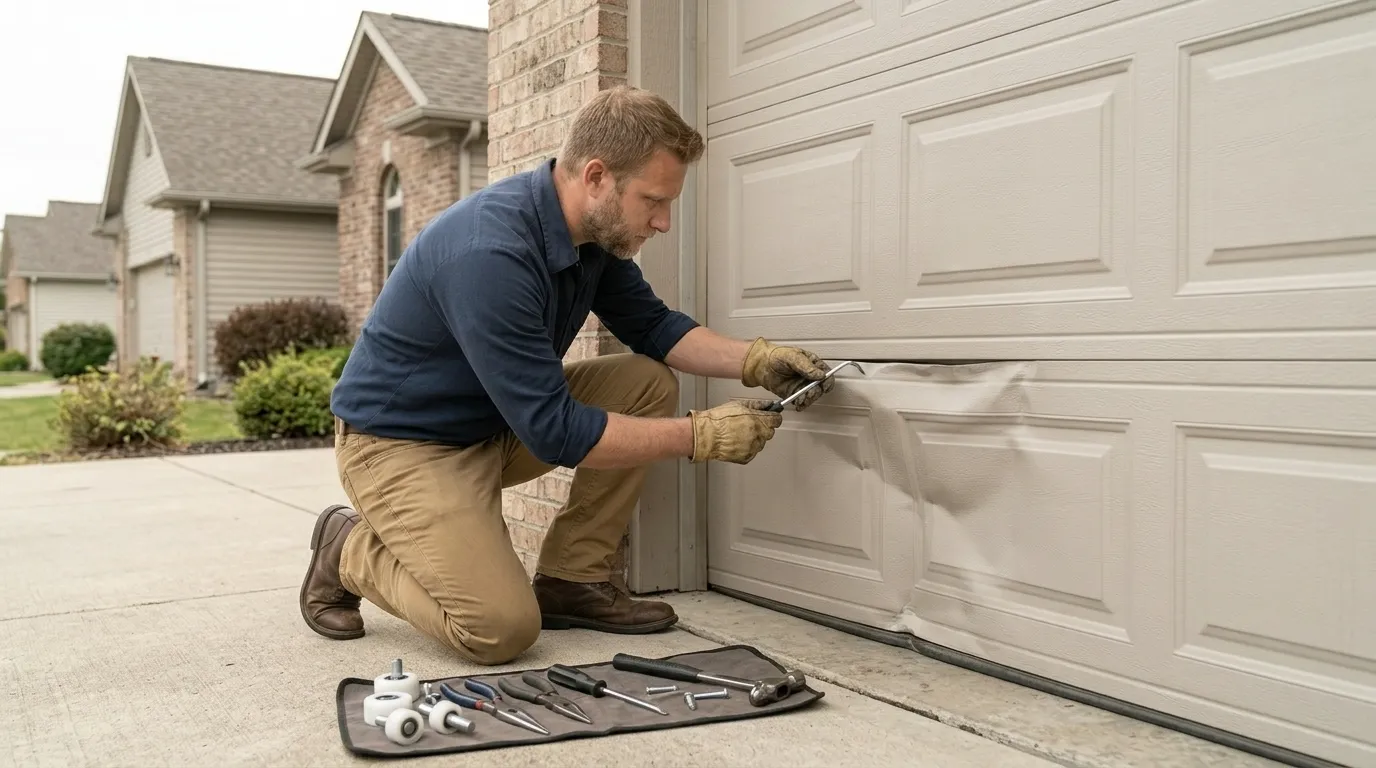
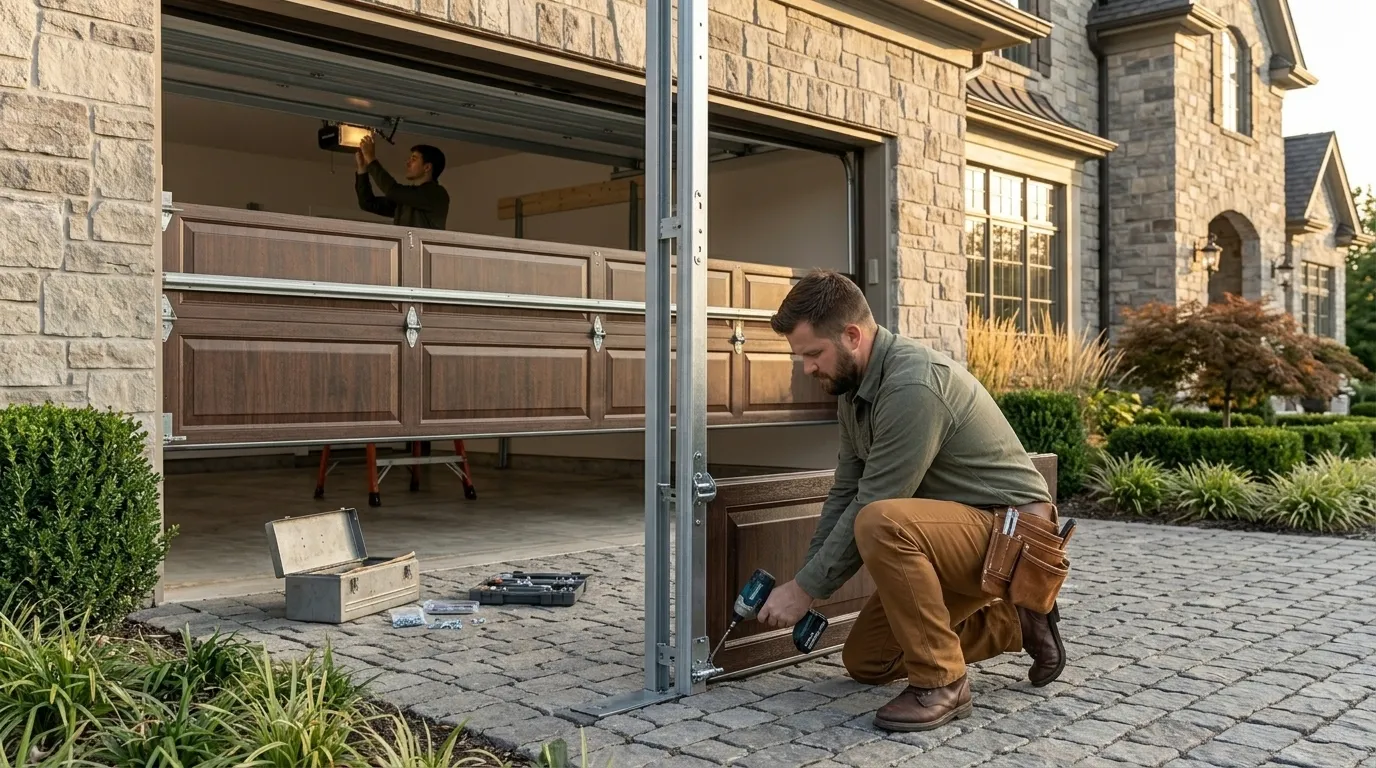
A door off its track from a single bent roller or a popped cable is usually a same-visit fix once we're on-site - pull the panel back onto the track, replace the roller or cable, check the track alignment, and run it a few cycles to confirm it tracks straight. Where it takes longer is when the track itself bent from the door being forced through it, which happens more on doors that have been running rough for a while before something finally lets go. Bent track has to come off and get reset or replaced section by section, and that's a longer job than a roller swap. Given that Stanford's housing here mostly dates to the mid-1970s, we're usually dealing with original or first-generation replacement track rather than the newer roll-formed track you'd see on a house built in the last decade or two. That older gauge track holds its shape differently under stress, so we check the whole run, not just the spot where it jumped.

Time on the Job

Booking

Booking a Visit

We run this call from Danville, about 10 miles out to Stanford, so it's not a same-hour drop-in the way it might be for a job inside town - plan for a scheduled visit rather than an emergency knock on the door.

  1. Diagnostic information collection

    Call ahead and tell us what you're seeing: whether the door is stuck half-open, whether a cable is visibly slack or snapped, whether one side of the door looks lower than the other.

  2. Truck parts preparation efficiency

    That tells us what to load on the truck before we make the drive, which saves a second trip if the fix needs a part we wouldn't normally carry for a first look.

  3. Severely stuck door safety

    If the door is off track badly enough that it won't move at all, leave it alone until we get there - forcing it, by hand or by hitting the opener button again, is what turns a roller job into a track job.

Why This Fails Locally

Local causes

Why This Fails Locally

Doors go off track for a handful of reasons, and around Stanford the common one traces back to the age of the hardware rather than anything dramatic. A house built in 1977 has had roughly five decades of rollers wearing against the same track, and steel rollers from that era wear a groove into galvanized track that eventually lets the roller walk sideways under load. Add in a cold-moderate climate where steel contracts in winter cold snaps, and a track that's already slightly worn gets just enough extra play for a roller to jump the rail on a hard-freeze morning. It's rarely one dramatic event - it's years of a slightly loose track finally giving way. That's different from a newer door, where an off-track failure is more likely a single bent section from an impact than gradual wear.

Pricing

What You Pay

With Stanford's median income at $55,000, most repairs here land in the range where fixing beats replacing - a roller, a section of track, or a cable is a fraction of what a new door and opener would cost.

Track bending repeated cycling

Where the math flips is if the track has been bent and rebent enough times that it won't hold alignment, or if the door panel itself took damage from being forced through a crooked track.

Full door replacement justification

At that point you're not just replacing hardware, you're replacing a door that's already had multiple problems stack up on it, and a new door with modern rollers and track can be the better spend over the long run.

Varied repair quote pricing

We don't quote a number without seeing the door - a single roller is a different bill than a bent track run - but we'll tell you straight if we think you're throwing money at a door that's past the point of a track repair fixing it for good.

Our process

How We Fix It

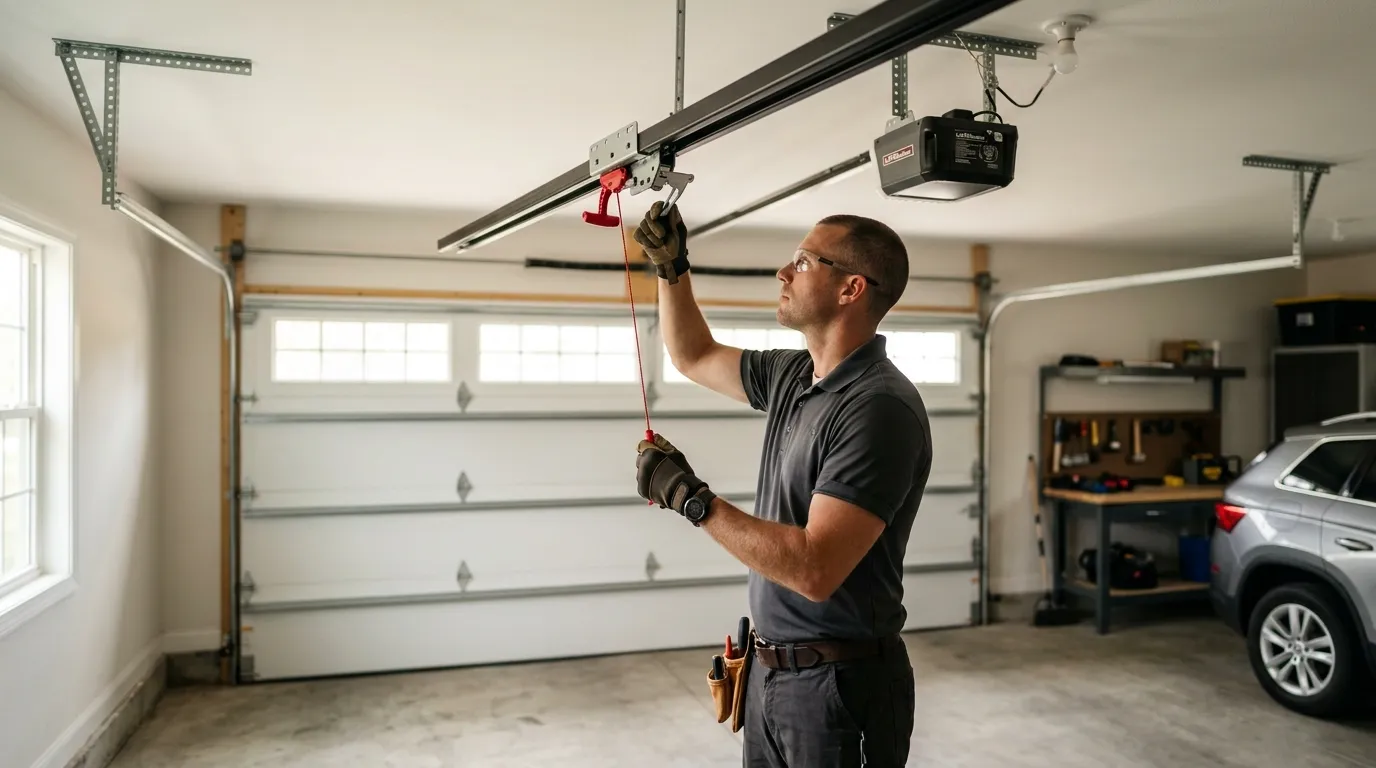
First we check whether the door is actually off track or just binding - sometimes a door that looks derailed is really an opener force setting fighting a stuck roller.

Track realignment procedure

Once we confirm it's off the rail, we release tension safely, pull the panel back into the track by hand, and inspect every roller and bracket on that side, not just the one that failed.

Aging hardware inspection

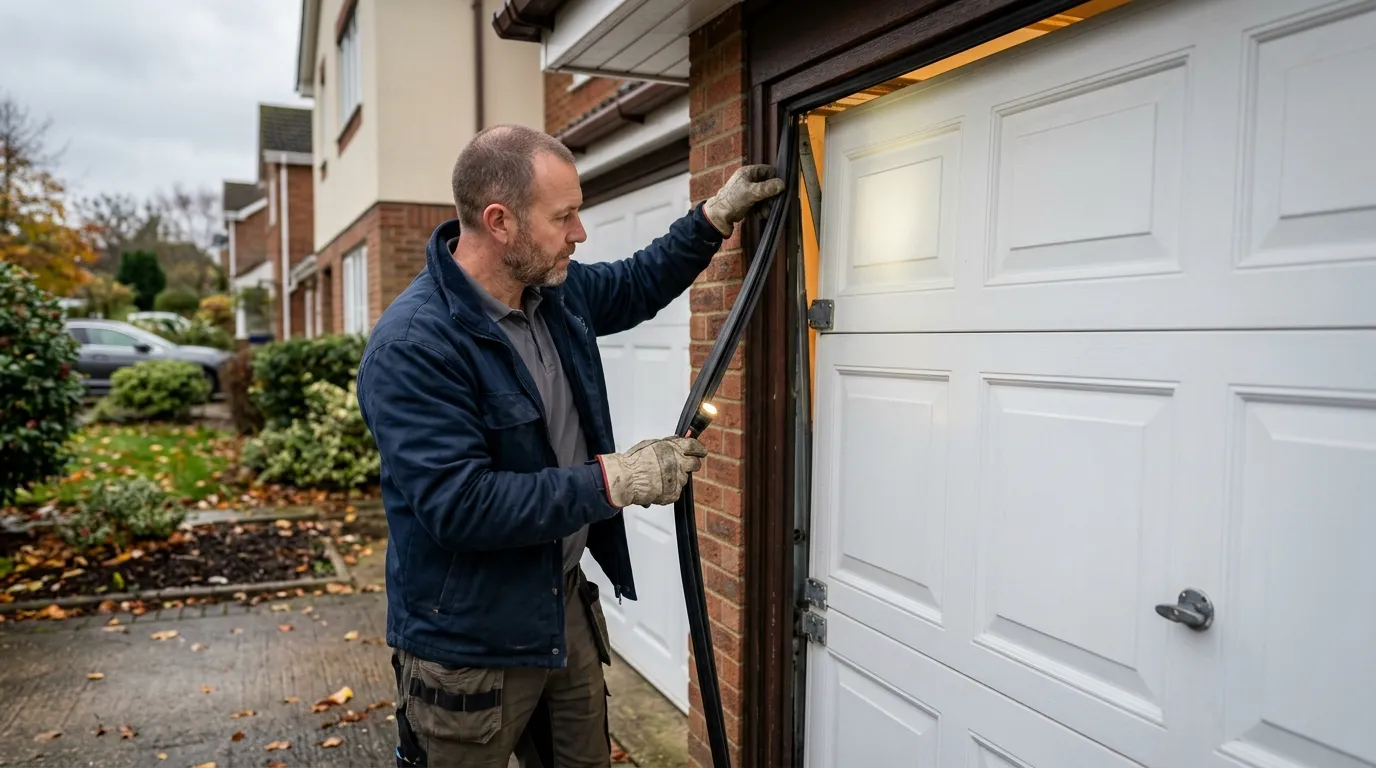
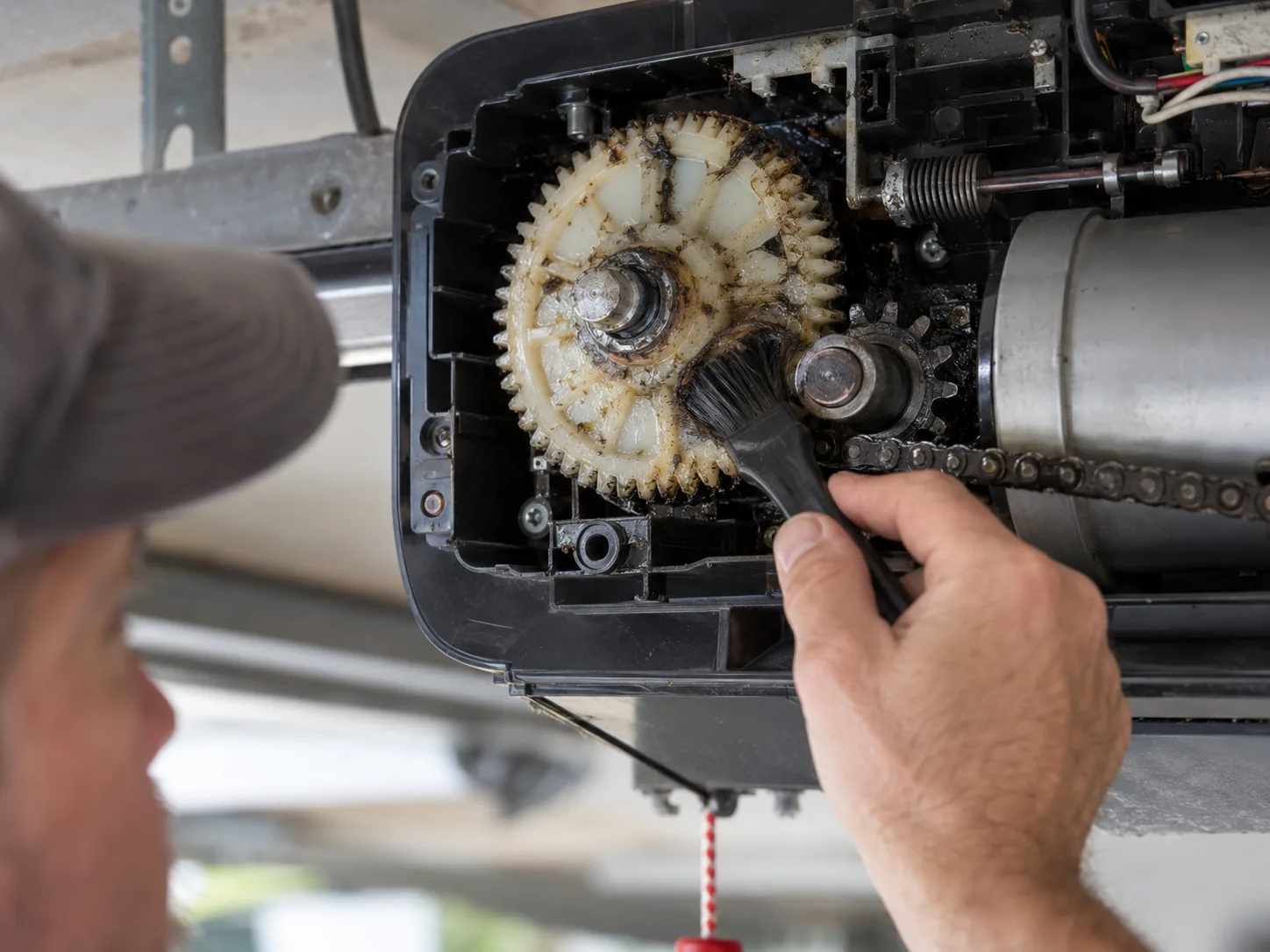
Given the age of a lot of Stanford's housing stock, we're checking for the wear-groove pattern in the track itself, not just swapping the obvious broken part. If the track has a bend, we straighten or replace that section before reseating the door - putting a worn roller back into bent track just sets up the next call.

Full cycle operation testing

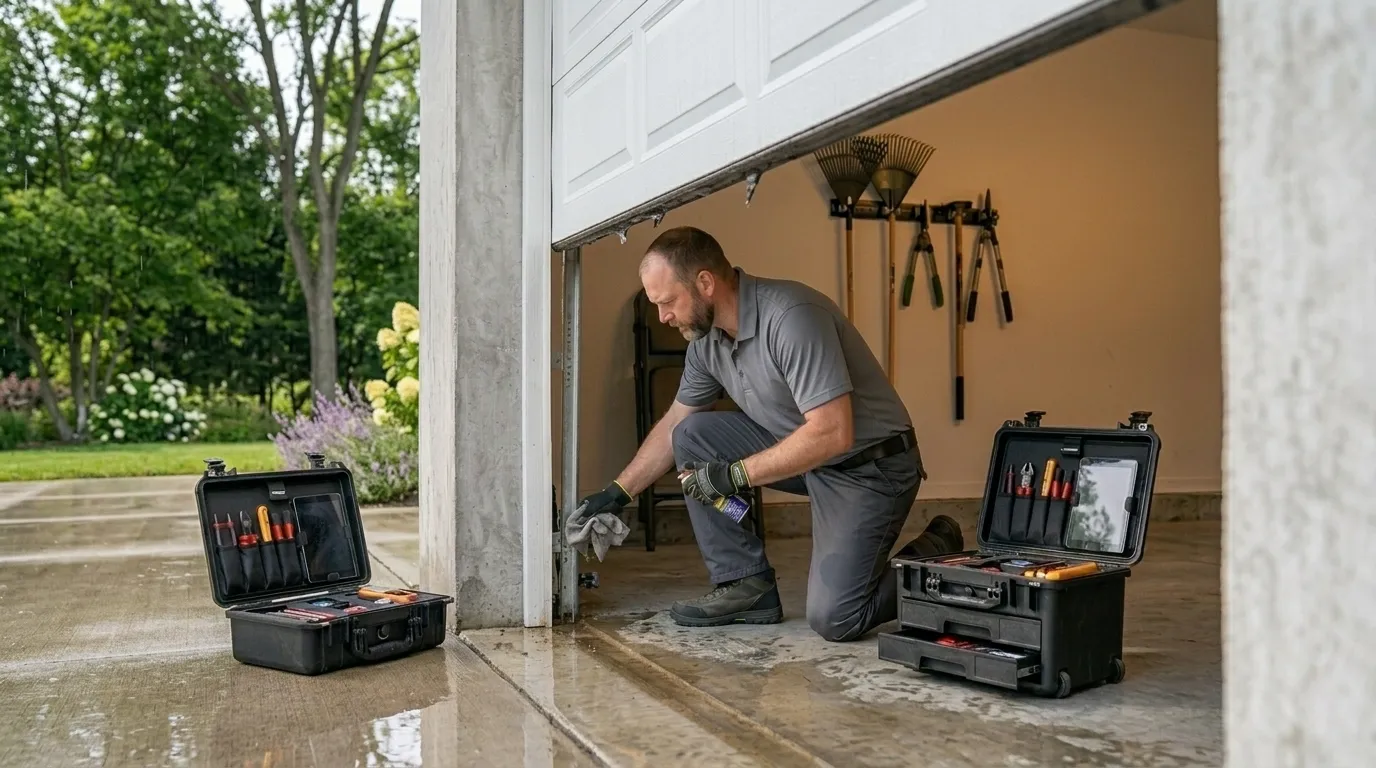
Last step is running the door through several full cycles and rechecking the level, because a door that closes level once can still be off by enough to walk off track again within a season if we don't catch it now.

Questions

Common questions

Why did my garage door come off the track with no warning?

Usually it wasn't sudden - a roller wearing against galvanized track for years finally lets go, often on a cold morning when the steel has less give. In houses built around the mid-1970s, like a lot of Stanford's stock, that wear has had close to five decades to build up, so the failure feels sudden even though the cause wasn't.

Do you have a local branch in Stanford?

No. We're based in Danville and drive out to Stanford, about 10 miles, for scheduled visits. We're not set up for same-hour emergency drop-ins there the way we might be closer to Danville itself, so plan on booking a visit rather than expecting an immediate knock on the door.

Is it cheaper to fix the track or replace the whole door?

For most houses here, fixing wins - a roller, cable, or short section of track costs a fraction of a new door. It flips when the track's been bent repeatedly or the panel took damage from being forced through a crooked rail. At that point you're paying to patch a door that's already stacked up problems, and a new door is often the better long-term spend.

Ready when you are

Need a garage door sorted in Danville?

Danville Garage Door Pros repairs and installs garage doors, springs and openers in Danville, KY and the surrounding area.

Call Now(859) 450-2313